PADICE Surgical Implant Program
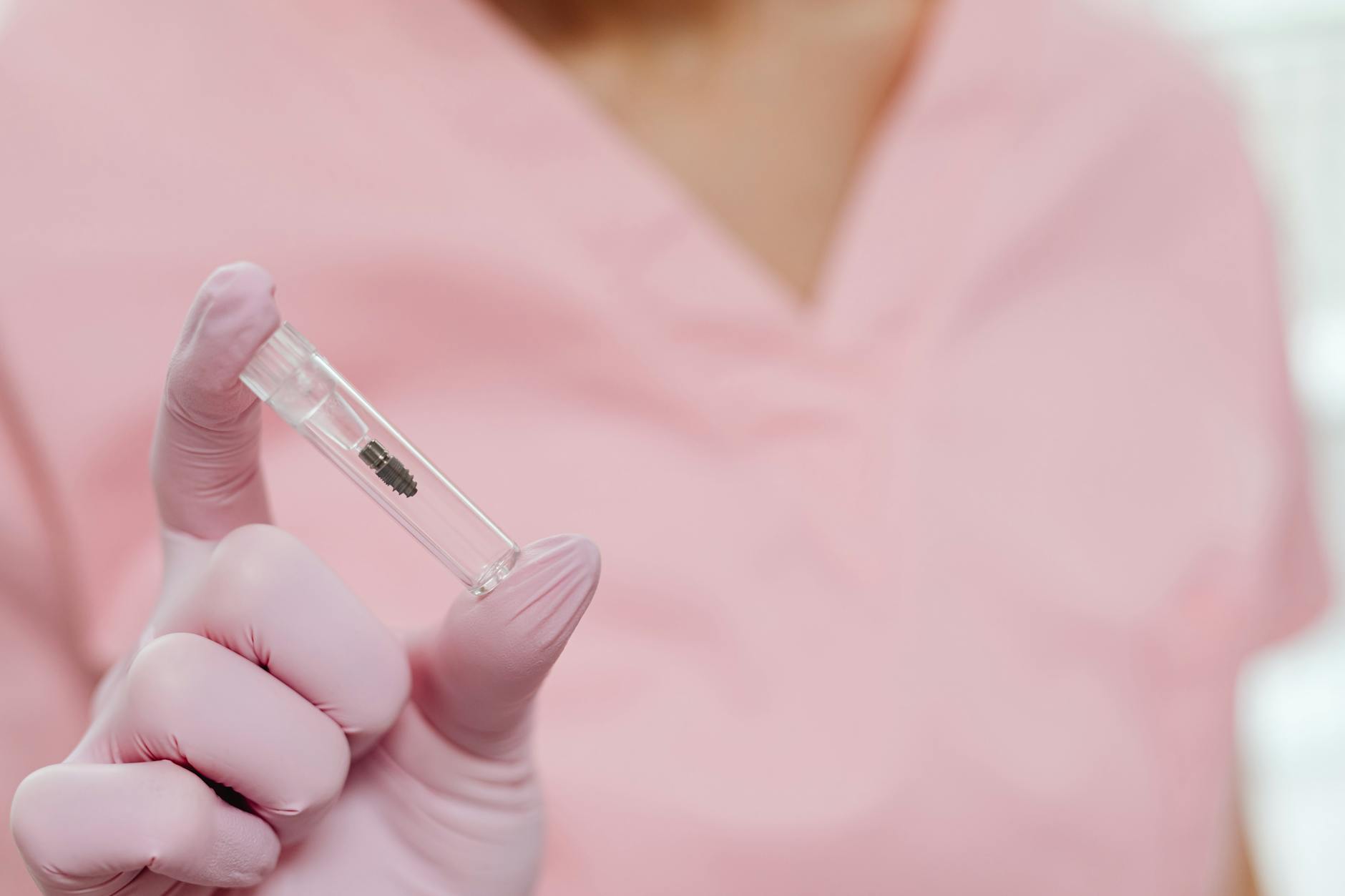
Sessions 1–3: Foundations of Surgical Implant Dentistry
Treatment Planning & Posterior Single-Tooth Implant Surgery
The PADICE Surgical Implant Program is a comprehensive, five-session surgical continuum designed to develop dentists into confident, evidence-based implant clinicians. Each session consists of three (3) intensive training days combining didactic instruction, CBCT-based diagnostics, live demonstrations, and hands-on surgical simulation.
Sessions 1, 2, and 3 form the surgical and biomechanical foundation of the entire PADICE curriculum.
These three sessions are focused on the diagnosis, treatment planning, and surgical placement of posterior single-tooth implants in the partially edentulous patient—the most common and most critical starting point for predictable implant dentistry.
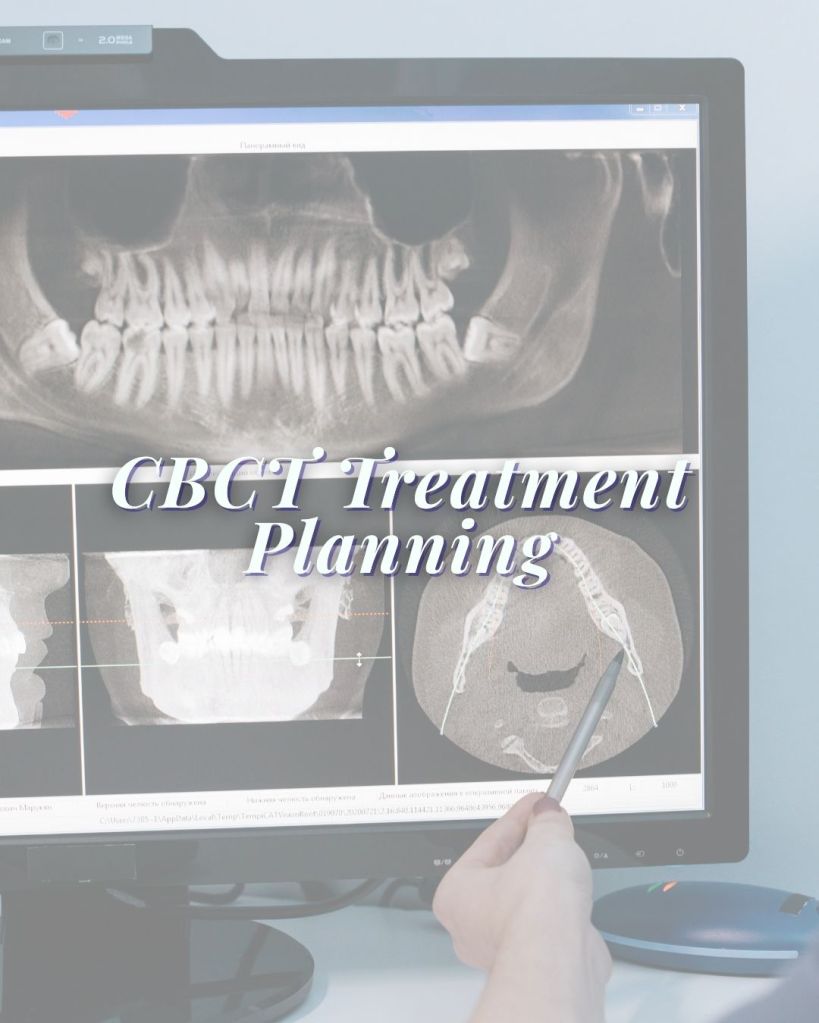
Participants are trained to evaluate bone quality and volume, interpret CBCT and radiographic data, select implant number, diameter, length, and position, and match prosthetic design to biomechanical and biological constraints. These sessions integrate prosthetic-driven implant planning with surgical execution, ensuring that implants are placed in positions that support long-term functional and esthetic success.
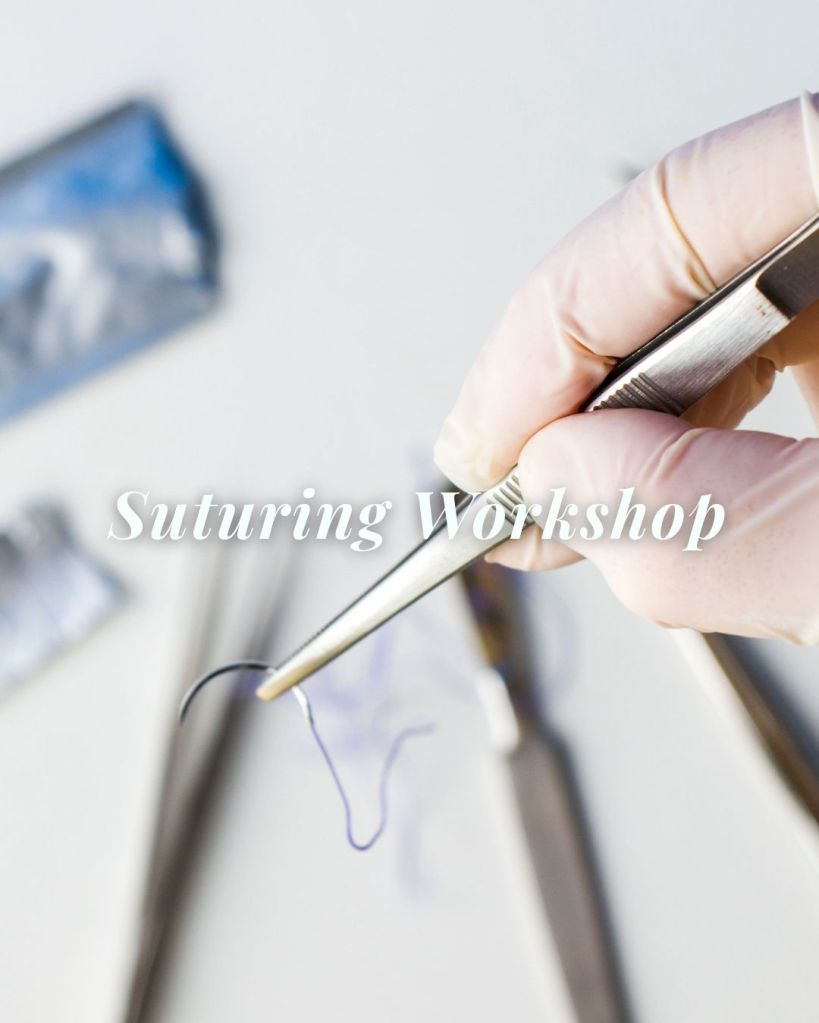
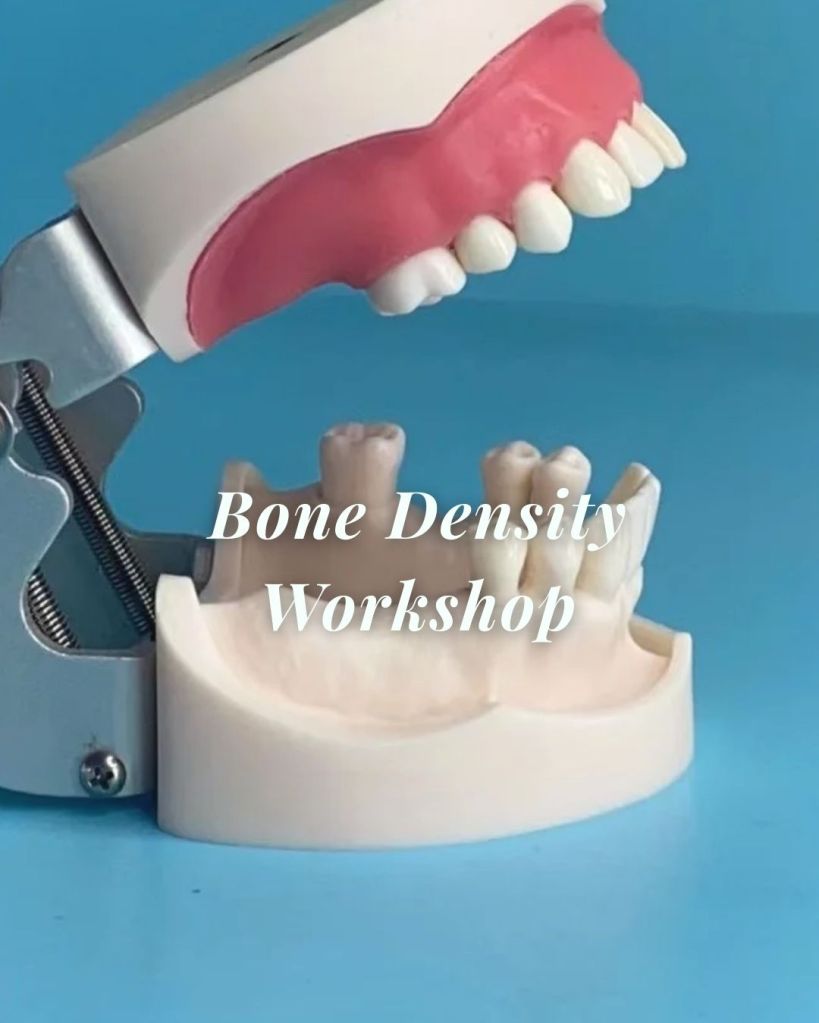
Hands-on components include CT interpretation workshops, implant placement in treatment models, and surgical suturing, preparing participants to safely transition into live clinical implant cases.
Primary Clinical Focus
Posterior Single-Tooth Implant Replacement
(Partially edentulous patients)
Participants learn how to:
- Diagnose posterior tooth loss
- Evaluate bone and force factors
- Select the correct implant design and position
- Execute a biologically safe and prosthetically ideal surgical placement
This focus builds the foundation for more advanced grafting, sinus, full-arch, and immediate load protocols taught later in the PADICE continuum.
Course Objectives
Upon completion of Sessions 1–3, participants will be able to:
Foundations of Implant Dentistry
- Recognize the impact of complete and partial edentulism as a major public health issue
- Understand the history, evolution, and future of dental implants
- Classify the types and modalities of modern implant systems
- Define prosthetic options used in implant dentistry
Anatomy, Diagnostics & Biology
- Identify maxillary and mandibular anatomical limitations for implant placement
- Interpret panoramic, periapical, and CBCT imaging for bone quality and quantity
- Understand implant biomaterials, biomechanics, and implant-tissue interactions
Patient Evaluation & Risk Assessment
- Perform comprehensive medical, dental, and implant-specific histories
- Evaluate systemic and local risk factors affecting implant success
- Identify conditions requiring referral to medical or dental specialists
Treatment Planning & Biomechanics
- Formulate sequential implant treatment plans
- Apply the Stress–Bone–Implant–Prosthesis treatment theorem
- Select appropriate:
- Implant number
- Implant diameter and length
- Key Implant Positions (KIP)
- Prosthetic design
Surgical & Clinical Competence
- Prepare patients medically, psychologically, and financially for implant therapy
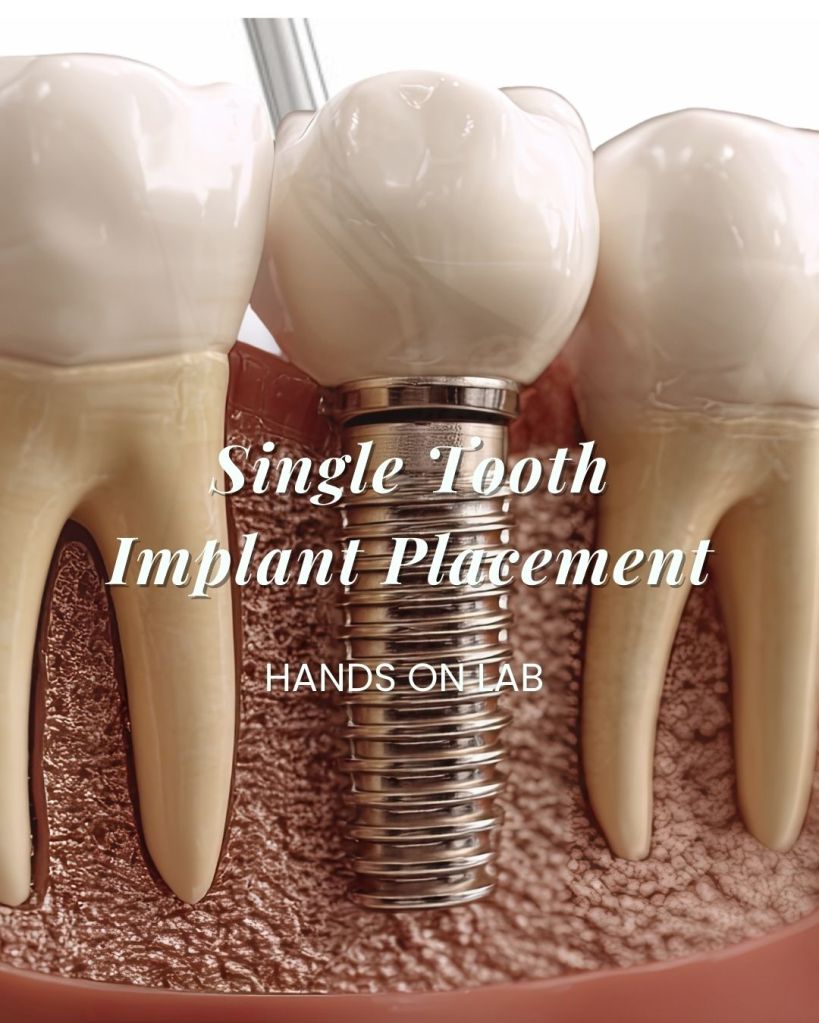
- Perform posterior single-tooth implant surgery
- Execute:
- Incision design
- Flap preparation
- Osteotomy preparation
- Heat and pressure control
- Implant insertion
- Suturing
- Recognize and manage surgical complications
- Identify situations requiring referral
Surgical Planning & Safety
- Select surgical techniques based on bone topography
- Identify anatomic landmarks and risk zones
- Anticipate short- and long-term complications
Core Topics Covered in Sessions 1–3
Diagnostic & Planning
- Rationale for dental implants
- Patient evaluation & treatment planning
- Implant Quality-of-Health Scale
- Available bone volume and bone density
- Stress analysis and biomechanical risk
- Key Implant Positions (KIP)
- Radiographic and CBCT interpretation
- CT-guided surgical planning & templates
Surgical & Technical
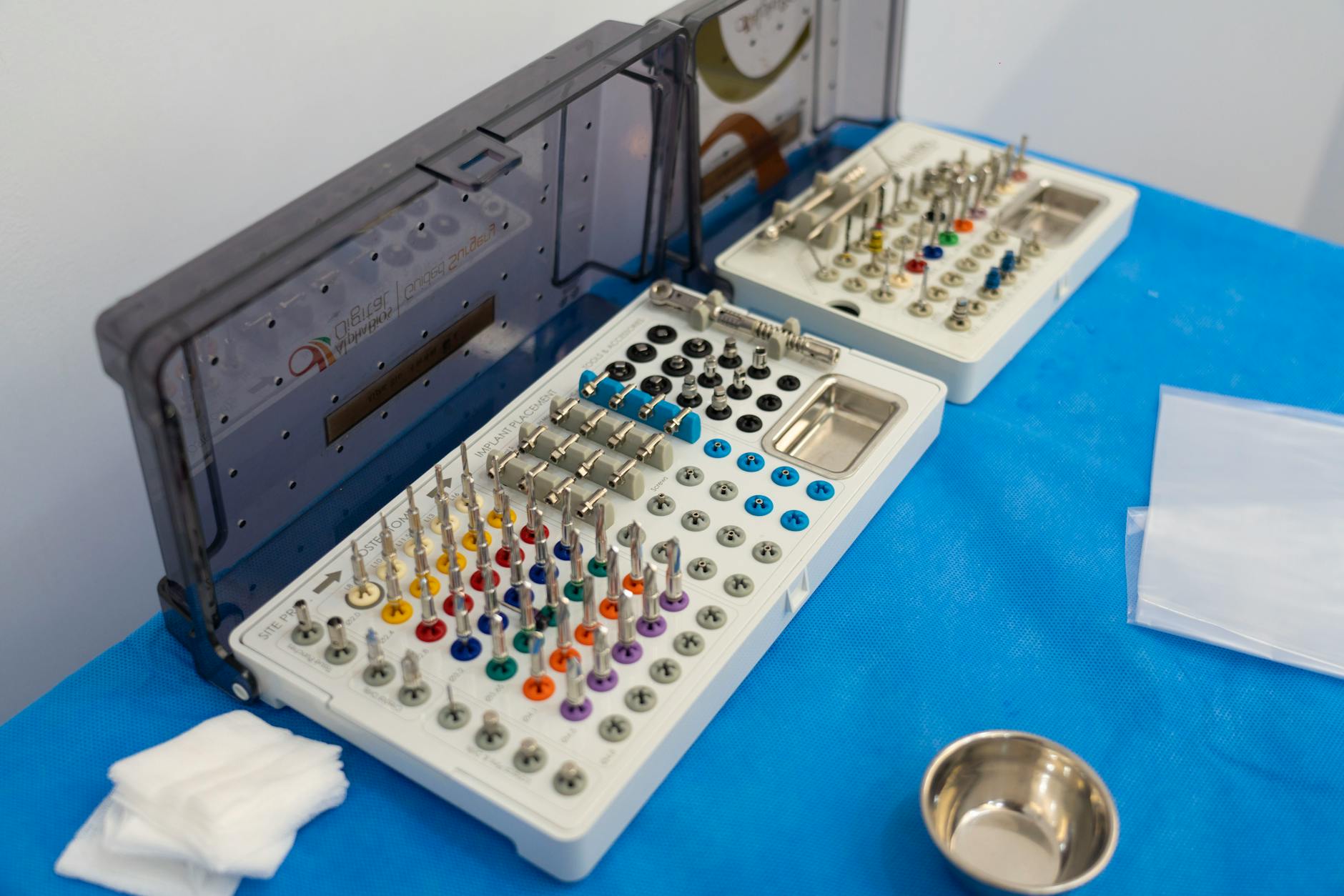
- Aseptic technique and surgical armamentarium
- Implant design and macro-geometry
- Osteotomy preparation and implant placement
- Posterior single-tooth implant surgery
- Suturing techniques
- Soft and hard tissue healing principles
Bone & Socket Management
- Introduction to bone grafting materials
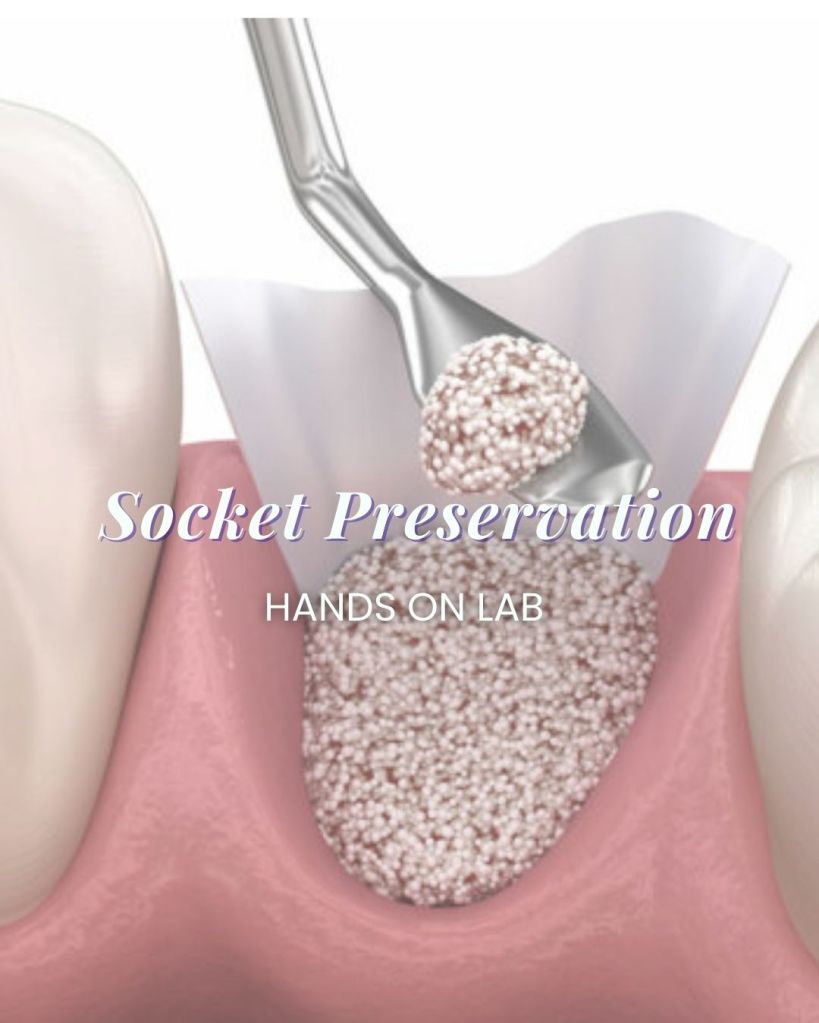
- Socket preservation principles
Practice & Business Integration
- Implant fees and economic considerations (2026 framework)
- Case selection and ethical treatment planning
Hands-On Training
Participants receive:
- CBCT and radiographic interpretation workshops
- Implant placement in surgical models
- Hands-on suturing and flap design
- Socket Preservation in surgical models
- Bone Density Workshop
- Live Surgery
These sessions ensure that clinicians leave with not just theoretical knowledge—but real surgical confidence.
COURSE FEE:
| Practitioner | P25,000.00 |
| Early Bird Registration | P23,000.00 |
| Group of 5 | P23,000.00 |
Initial registration fee of P5,000.00 will reserve you a slot.
- Tuition includes course materials, lunch and snacks on scheduled date of class.
- Please confirm LIVE SURGERY registration.
Doctors who would like to perform a live surgery on a patient, please contact us for more information. PADICE is pleased to present flexible payment plans.
Payment is inclusive of the following:
- Scheduled hands-on workshops with models and instructions provided
- Breakfast, lunches, refreshment breaks, Contemporary Implant Dentistry 4thd Edition E-book Reference, technical training manual, professional information packets
- Personal items such as Loupes, etc. are the responsibility of the program participants
CANCELLATION POLICY:
Refunds are only granted if written notification is received seven (7) business days prior to this course. Please email padice.ph@gmail.com. The number of course registrants is LIMITED to maximize personal attention, facilitate interaction, and high education and learning.

 PRIMUM ADVANCED DENTAL IMPLANT CENTER