PADICE Surgical Implant Program
Sessions 4–6: Root-Form Surgery, Advanced Implant Prosthodontics & Digital Workflows
INTRODUCTION
Sessions 4, 5, and 6 represent the advanced surgical and prosthetic phase of the PADICE Surgical Implant Program. These sessions expand the clinician’s skill set from single-tooth implant dentistry into the treatment of partially and completely edentulous patients, with emphasis on root-form implant surgery, fixed implant prosthodontics, and digital implant workflows.
The focus of Sessions 4–6 is on prosthetically driven implant placement, posterior mandibular safety, implant body selection, progressive bone loading, and implant uncovery. Participants learn how to manage biomechanically demanding implant cases while minimizing complications and maximizing long-term implant stability.
Digital and guided implant workflows are introduced through CT-based planning, ABCDE implant placement, surgical guides, and All-on-X digital implant scanning, integrating modern technology into everyday implant practice.
PRIMARY CLINICAL FOCUS
- Root-form implant surgery
- Partially and completely edentulous patients
- Edentulous arches in implant dentistry
- Fixed implant prosthodontics
- Cement-retained vs screw-retained restorations
- Implant body size and force distribution
- Progressive bone loading
- Stage II uncovery
- Posterior mandibular safety
- Digital and conventional implant impressions
COURSE OBJECTIVES
Upon completion of Sessions 4–6, participants will be able to:
Advanced Implant Prosthodontics
- Recognize the role of prosthetic-driven planning in implant dentistry
- Differentiate fixed and removable implant prosthetic designs
- Define the indications for cement-retained and screw-retained restorations
- Understand implant prosthetic design for partially and completely edentulous arches
Implant Design & Biomechanics
- Recognize the role of prosthetic-driven planning in implant dentistry
- Differentiate fixed and removable implant prosthetic designs
- Define the indications for cement-retained and screw-retained restorations
- Understand implant prosthetic design for partially and completely edentulous arches
Diagnostics, Imaging & Digital Planning
- Interpret CBCT imaging for partially and completely edentulous patients
- Plan implant placement for fixed and edentulous cases using CT-based workflows
- Understand the digital workflow for implant planning and prosthetic execution
Treatment Planning for Edentulous Patients
- Formulate prosthetically driven treatment plans for partially and completely edentulous patients
- Select appropriate implant number, position, and prosthetic design for edentulous arches
- Compare treatment options for fixed versus removable implant restorations
Surgical & Clinical Competence
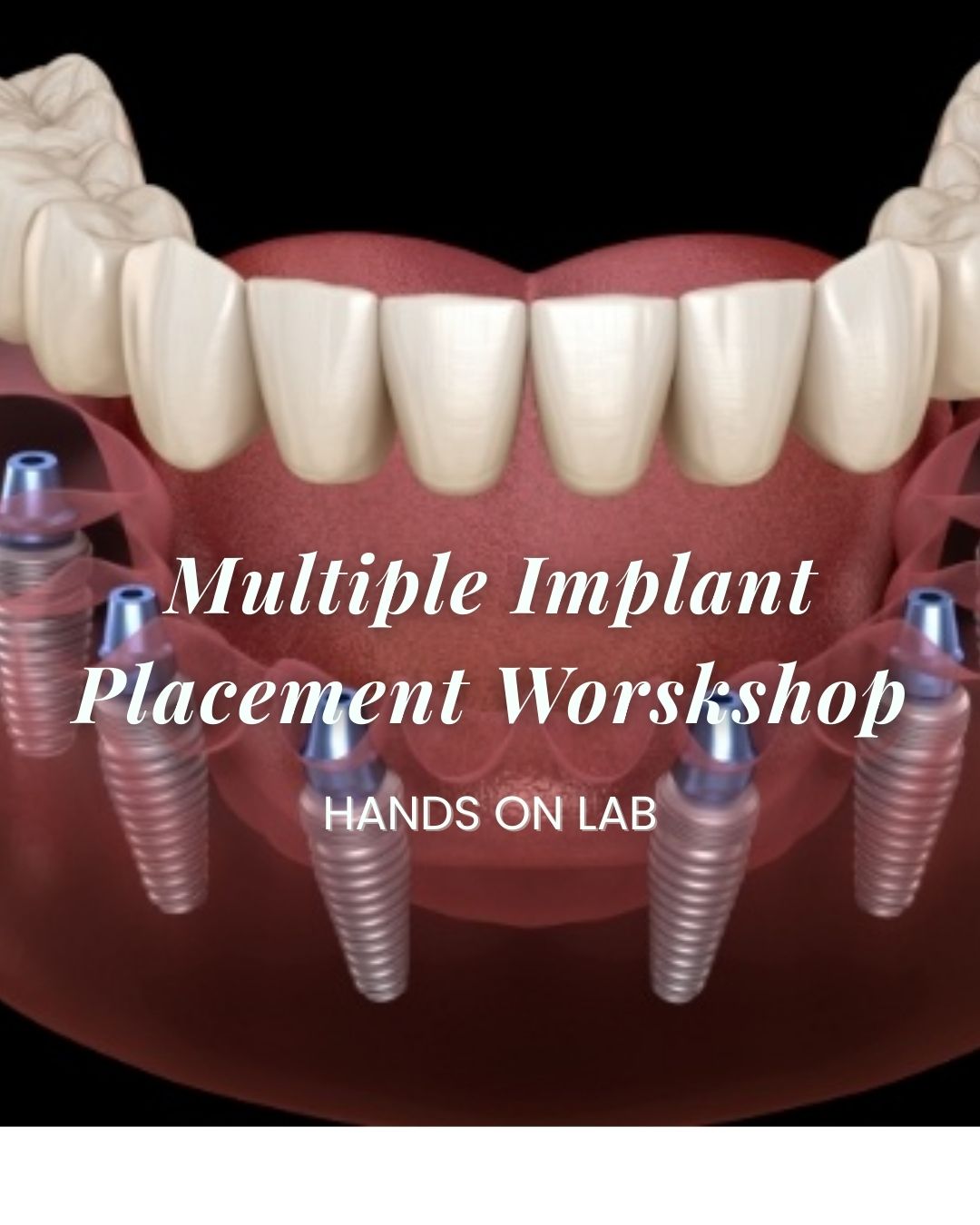
- Perform root-form implant surgery in posterior and edentulous sites
- Perform Stage II implant uncovery based on soft- and hard-tissue conditions
- Apply pharmacologic protocols for implant surgery and healing
- Recognize and manage implant-related emergencies
Posterior Mandibular Safety & Complication Control
- Identify anatomical risk zones in the posterior mandible
- Prevent and manage posterior mandibular surgical complications
- Recognize early signs of biomechanical and biological implant failure
Implant Impression & Digital Prosthodontics
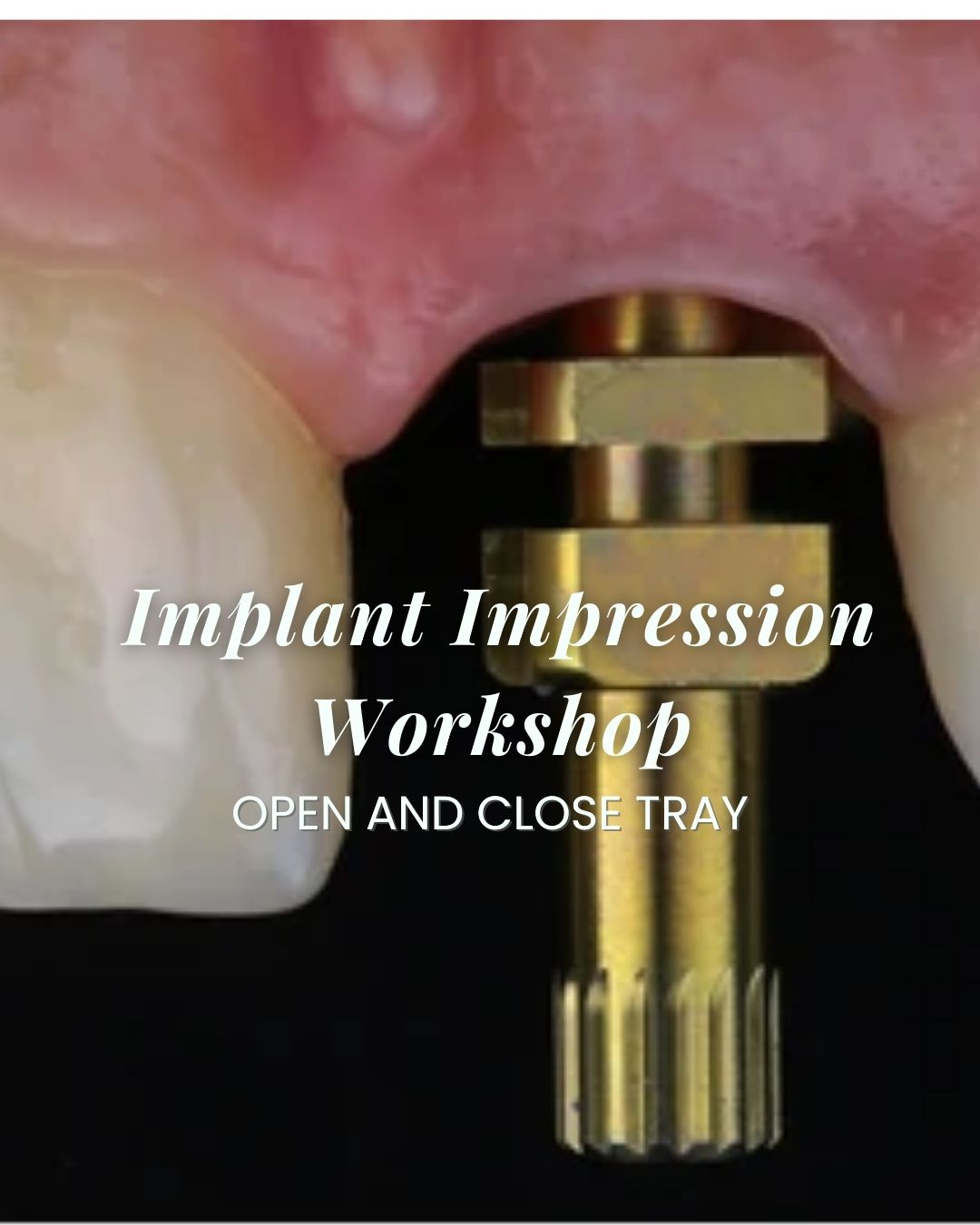
Perform implant impressions using open-tray and closed-tray techniques
Capture accurate implant-level digital impressions using Scan Ladder with Medit Scanner
Integrate All-on-X digital scanning into fixed prosthetic workflows
CORE TOPICS
- Pre-implant prosthodontics
- Treatment planning for partially and completely edentulous patients
- Edentulous arches in implant dentistry
- Cement-retained vs screw-retained implant restorations
- Principles of fixed implant prosthodontics
- Implant impressions
- Digital implant scanning (All-on-X)
- Implant body size: biomechanical and esthetic rationale
- Root-form implant surgery
- Progressive bone loading
- Avoiding posterior mandibular complications
- Stage II uncovery
- Implant pharmacology
- Implant emergencies
HANDS-ON TRAINING
Participants will complete the following laboratory and clinical training:
- CT-based treatment planning
- ABCDE implant placement protocol
- Implant impressions
- Closed tray
- Open tray
- All-on-X digital scanning
- Using Scan Ladder + Medit iP Scanner
- Implant surgical guide planning and verification
- Live surgery
- Implant placement
- Bone grafting
COURSE FEE:
| Practitioner | P25,000.00 |
| Early Bird Registration | P23,000.00 |
| Group of 5 | P23,000.00 |
Initial registration fee of P5,000.00 will reserve you a slot. You will need to call a team member to do initial registration.
- Tuition includes course materials, lunch and snacks on scheduled date of class.
- Please confirm LIVE SURGERY registration.
Doctors who would like to perform a live surgery on a patient, please contact us for more information PADICE is pleased to present flexible payment plans.
Payment is inclusive of the following:
- Scheduled hands-on workshops with models and instructions provided
- Breakfast, lunches, refreshment breaks, Contemporary Implant Dentistry 4thd Edition E-book Reference, technical training manual, professional information packets
- Personal items such as Loupes, etc. are the responsibility of the program participants
CANCELLATION POLICY:
Refunds are only granted if written notification is received seven (7) business days prior to this course. Please email padice.ph@gmail.com. The number of course registrants is LIMITED to maximize personal attention, facilitate interaction, and high education and learning.

 PRIMUM ADVANCED DENTAL IMPLANT CENTER